
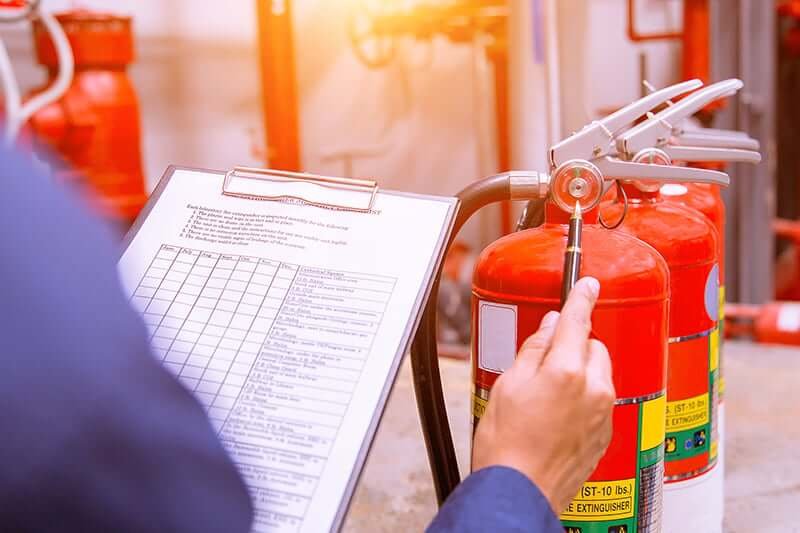
Fire Risk Assessment Responsibilities: Who Is Accountable?
Fire risk assessment is a core element of fire safety management, and understanding who is accountable is essential for legal compliance and effective risk control. Fire safety laws place clear responsibilities on specific individuals or organizations to ensure that fire risks are identified, managed, and reviewed regularly. This article explains who is accountable for fire risk assessments and how responsibilities are shared in different settings.
Understanding Accountability in Fire Risk Assessments
Accountability in fire risk assessment means having a clearly identified person or body responsible for ensuring that the assessment is carried out, implemented, and kept up to date. While tasks may be delegated, legal accountability usually remains with a designated “responsible person.”
Clear accountability helps prevent gaps in fire safety management and ensures that fire risks are addressed systematically rather than being overlooked or misunderstood.
The Role of the Responsible Person
In most fire safety legislation, the primary accountability lies with the responsible person. This is typically the employer in a workplace or the owner, landlord, or managing agent of a building.
The responsible person must ensure that a suitable and sufficient fire risk assessment is carried out and that appropriate fire safety measures are implemented. They are also accountable for maintaining fire safety systems, providing staff training, and reviewing the assessment regularly.
See also: Software Technology Explained for Beginners
Employers and Business Owners
Employers and business owners are usually accountable for fire risk assessments in workplaces such as offices, shops, warehouses, and factories. Their responsibilities include identifying fire hazards, protecting employees and visitors, and ensuring safe evacuation procedures.
They must also ensure that employees receive adequate fire safety information and training. Even if an external consultant is hired to carry out the assessment, the employer remains legally accountable for compliance.
Landlords and Property Owners
In residential and mixed-use buildings, landlords and property owners are typically accountable for fire risk assessments in common areas. This includes corridors, stairwells, plant rooms, and shared facilities.
Property owners must ensure that fire safety measures such as fire doors, alarms, and emergency lighting are properly installed and maintained. They are also responsible for reviewing fire risk assessments regularly and addressing identified risks.
Managing Agents and Facilities Managers
Managing agents and facilities managers often play an operational role in fire risk assessment management. While they may not always hold legal accountability, they are frequently responsible for organizing assessments, coordinating maintenance, and implementing fire safety measures.
Clear contracts and defined responsibilities are essential to avoid confusion. Even when responsibilities are shared, the legally accountable person must ensure that duties are being fulfilled.
Competent Persons and Fire Safety Professionals
Fire risk assessments should be carried out or reviewed by competent persons with sufficient knowledge, training, and experience. This may include internal safety officers or external fire safety professionals.
While competent persons are responsible for providing accurate and professional assessments, legal accountability typically remains with the responsible person who appoints them.
Employee Responsibilities in Fire Safety
Employees also have responsibilities in supporting fire safety. They must follow fire safety procedures, report hazards, and participate in training and fire drills.
Although employees are not legally accountable for conducting fire risk assessments, their cooperation is essential for maintaining effective fire safety systems.
Shared Premises and Multiple Occupiers
In buildings with multiple occupiers, accountability may be shared among different responsible persons. Each occupier is usually accountable for fire risks within their own area, while a building owner or manager may be responsible for shared spaces.
Coordination and communication between occupiers are essential to ensure that fire safety measures work effectively across the entire building.
Consequences of Unclear Accountability
Unclear or poorly defined accountability can lead to serious fire safety failures. When responsibilities are not clearly assigned, essential tasks may be missed, increasing the risk of fire incidents and legal penalties.
Clear accountability helps ensure timely action, effective risk management, and compliance with fire safety regulations.
Conclusion
Fire risk assessment responsibilities are clearly defined in fire safety law, with accountability typically resting on a responsible person such as an employer, landlord, or property owner. While tasks can be delegated to managers or professionals, legal accountability remains with those in control of the premises. Clear roles, competent assessments, and regular reviews are essential to ensure effective fire safety and protect lives and property.